Restaurant Furniture Insights: Trends, Comfort, and Space Optimization
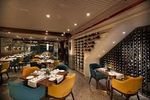
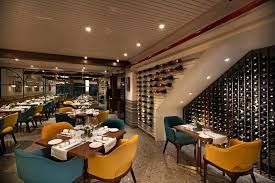
Restaurant furniture refers to the tables, chairs, bar units, and seating arrangements used in dining environments.
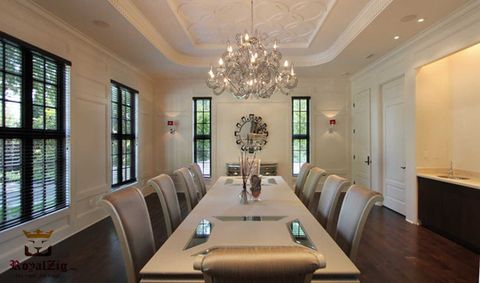
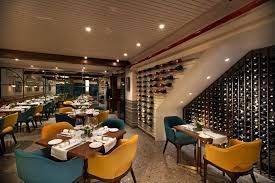
Restaurant furniture includes a wide range of seating and table arrangements used in dining environments. This spans from basic tables and chairs to specialized setups for lounges, cafés, and bar areas. Over time, it has evolved alongside changing dining habits, design trends, and operational requirements.
The growth of commercial restaurant furniture reflects the diversity of food spaces today, including fine dining venues, food courts, and hotel restaurants. Manufacturers and suppliers now offer designs tailored to different functional and aesthetic needs. Access to restaurant furniture online has also expanded choices, making it easier to explore modern and luxury styles.
Importance
Restaurant furniture plays a key role in shaping the dining experience. It influences comfort, movement, and the overall atmosphere of a space. Both customers and business owners are directly impacted by furniture choices.
For small businesses, efficient furniture selection helps maximize limited space. Compact and modular designs allow flexibility without overcrowding. Larger venues, such as hotels, require furniture that balances durability with visual appeal.
Key Factors in Furniture Selection
- Space optimization to ensure smooth movement
- Durability for high-traffic usage
- Easy maintenance and cleaning
- Design consistency with the restaurant theme
Poorly designed seating can reduce customer comfort, especially during long visits. Elements like seat height, back support, and spacing are essential for a better experience.
Recent Updates
Modern restaurant furniture trends focus on simplicity, flexibility, and functionality. Clean lines, neutral colors, and adaptable layouts are becoming more common.
Sustainability is also gaining importance. Many manufacturers now use recycled materials, wood alternatives, and eco-friendly finishes. Modular furniture is another key trend, allowing easy rearrangement based on different needs.
Technology integration is emerging in furniture design. Features like built-in charging ports and cable management are increasingly included to meet modern customer expectations.
Traditional vs Modern Furniture
| Feature | Traditional Furniture | Modern Furniture |
|---|---|---|
| Design Style | Ornate, detailed | Minimal, streamlined |
| Materials | Solid wood, heavy metals | Mixed, lightweight materials |
| Flexibility | Fixed layouts | Modular and adaptable |
| Maintenance | High upkeep | Easy to clean |
| Technology Integration | Rare | Increasingly common |
Luxury furniture has also shifted toward subtle elegance and enhanced comfort rather than heavy decoration.
Laws or Policies
Restaurant furniture must follow safety and regulatory standards, especially in countries like India. These rules ensure safe, accessible, and hygienic dining environments.
Fire safety regulations require materials to meet flame resistance standards. This is particularly important in enclosed spaces and bar areas.
Key Regulatory Considerations
- Accessibility for wheelchair users
- Proper table height and spacing
- Use of easy-to-clean materials
- Adequate spacing to prevent overcrowding
Health and sanitation guidelines also influence material selection. Surfaces must resist moisture and allow regular cleaning.
Tools and Resources
Various tools help businesses plan and select suitable restaurant furniture. These are useful for both new setups and renovations.
Digital tools allow visualization of layouts before implementation. They help determine seating capacity and optimize space usage effectively.
Common Tools
- Layout planners for seating arrangement
- Material comparison guides
- Online catalogs for exploring designs
- Measurement templates for spacing
- Supplier directories for sourcing options
These resources support informed decisions without requiring advanced expertise.
FAQs
What is commercial restaurant furniture?
Commercial restaurant furniture is designed for frequent use in public dining spaces. It focuses on durability, maintenance, and efficient space use compared to residential furniture.
How do suppliers assist with layout planning?
Suppliers often suggest layouts based on available space. They recommend suitable table and chair combinations to improve seating capacity and movement.
What should small businesses consider?
Small businesses should focus on compact, stackable, and flexible furniture. This helps maximize space without compromising comfort.
Indoor vs outdoor furniture differences?
Indoor furniture is designed for controlled environments, while outdoor furniture uses materials that withstand weather conditions.
Why use custom restaurant furniture?
Custom furniture allows businesses to match their theme and layout needs. It is useful when standard designs do not fit the space.
Conclusion
Restaurant furniture plays a central role in both functionality and design. It impacts comfort, space utilization, and overall customer experience.
Modern trends emphasize flexibility, sustainability, and minimal design. At the same time, regulations ensure safety, accessibility, and hygiene standards are maintained. Understanding these aspects helps create efficient and adaptable dining spaces.