Dust Collectors Insights for Choosing the Right System for Your Needs
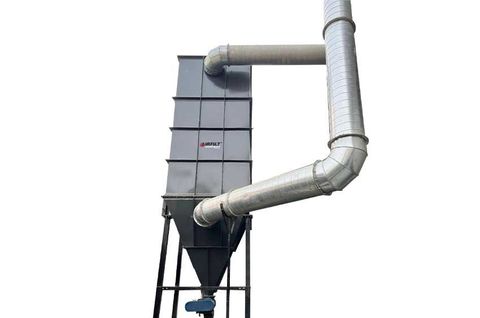
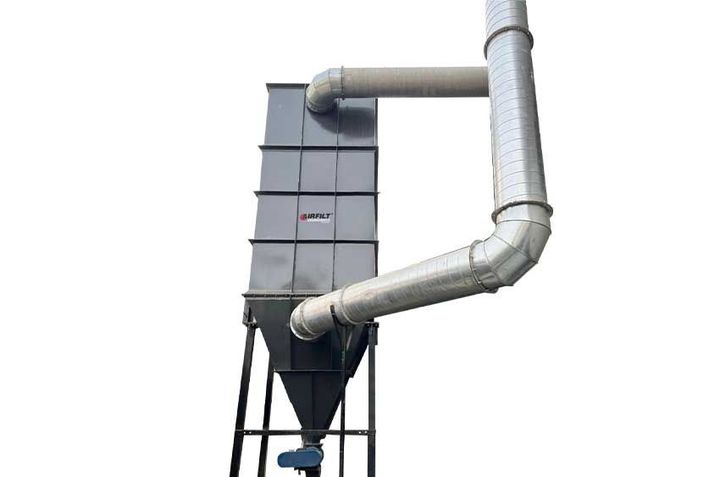
Dust collectors are systems designed to remove airborne particles, such as dust and fine debris, from industrial and commercial environments.
Dust particles are commonly generated during industrial activities such as cutting, grinding, sanding, and material handling. A dust collection system is designed to capture and filter these particles before they spread into the air, improving indoor air quality.
Over time, industries have developed different types of industrial dust collectors to meet varied operational needs. These range from small units for workshops to large industrial dust collection systems used in manufacturing plants. Common systems include baghouse dust collectors and cyclone dust collectors, each designed for specific applications.
Importance
Dust control is essential for maintaining safe and efficient workplaces. Airborne dust can impact both human health and machinery performance, making dust extraction systems a critical component in many industries.
Fine dust particles can be inhaled and may cause respiratory issues over time. Industrial dust collectors help reduce this risk by maintaining cleaner air and safer working conditions.
Key Benefits of Dust Collection Systems
- Improves indoor air quality
- Protects workers from harmful dust exposure
- Enhances machinery performance by reducing buildup
- Supports environmental compliance
Different industries face unique dust-related challenges, requiring tailored solutions.
Industry-Specific Challenges
- Woodworking produces fine sawdust that spreads easily
- Metalworking generates heavier particles needing separation
- Manufacturing involves mixed dust types requiring flexible systems
Recent Updates
Modern dust collection systems have evolved to become more efficient and adaptable. Manufacturers are now focusing on smart technologies and improved system performance.
One major trend is the integration of monitoring systems. Sensors track airflow, filter conditions, and dust levels, allowing early detection of maintenance needs.
Energy efficiency is another key focus. New systems are designed to consume less power while maintaining effective filtration. Modular designs are also becoming popular, allowing systems to expand as needed.
Common Dust Collector Types
| Dust Collector Type | Working Principle | Suitable Applications |
|---|---|---|
| Baghouse Dust Collector | Fabric filters trap fine particles | Woodworking, manufacturing |
| Cyclone Dust Collector | Centrifugal force separates particles | Heavy dust, metalworking |
| Cartridge Dust Collector | Pleated filters increase surface area | Fine dust, compact spaces |
| Wet Scrubber | Water captures dust particles | Chemical, hazardous dust |
This comparison helps identify which system fits specific industrial requirements.
Laws or Policies
Dust control systems are influenced by workplace safety and environmental regulations. In India, organizations must follow guidelines set by regulatory bodies to manage air quality and emissions.
The Central Pollution Control Board (CPCB) and State Pollution Control Boards define limits for particulate emissions. Industries are required to install and maintain proper dust collection systems to meet these standards.
Key Compliance Requirements
- Installation of appropriate dust collection systems
- Regular monitoring of emissions
- Maintenance of filtration equipment
- Adherence to workplace safety regulations
These regulations ensure safer environments for workers and reduce environmental impact.
Tools and Resources
Several tools and resources help in selecting and managing dust collection systems effectively. These tools simplify planning and improve system performance.
Digital airflow calculators are widely used to estimate required system capacity. They help determine the volume of air that needs filtration based on workspace size.
Useful Resources
- Airflow calculators for system sizing
- System design guides for choosing collector types
- Maintenance checklists for long-term efficiency
- Industry forums and technical platforms for real-world insights
These resources help users make informed decisions without advanced technical knowledge.
FAQs
What is a dust collection system?
A dust collection system captures airborne particles through ducts and filters. It separates dust from air and releases cleaner air back into the environment.
What are the common types of industrial dust collectors?
Common types include baghouse, cyclone, cartridge collectors, and wet scrubbers. Each is suited to different dust types and industrial applications.
How do these systems improve workplace conditions?
They reduce airborne dust, improve air quality, protect equipment, and support safer working environments.
Are manufacturing and woodworking systems different?
Yes, manufacturing systems handle varied materials, while woodworking systems focus on fine sawdust control.
What should be considered when choosing suppliers?
Important factors include system compatibility, technical specifications, maintenance needs, and dust type.
Conclusion
Dust collection systems are essential for managing airborne particles in industrial environments. They support health, operational efficiency, and environmental compliance.
With advancements in technology, modern systems are more efficient, adaptable, and easier to monitor. Understanding system types, trends, and regulations helps in selecting the right solution for specific industrial needs.